


Past versus the Present: The Enduring Appeal of Heritage Homes in Melbourne’s Luxury Market
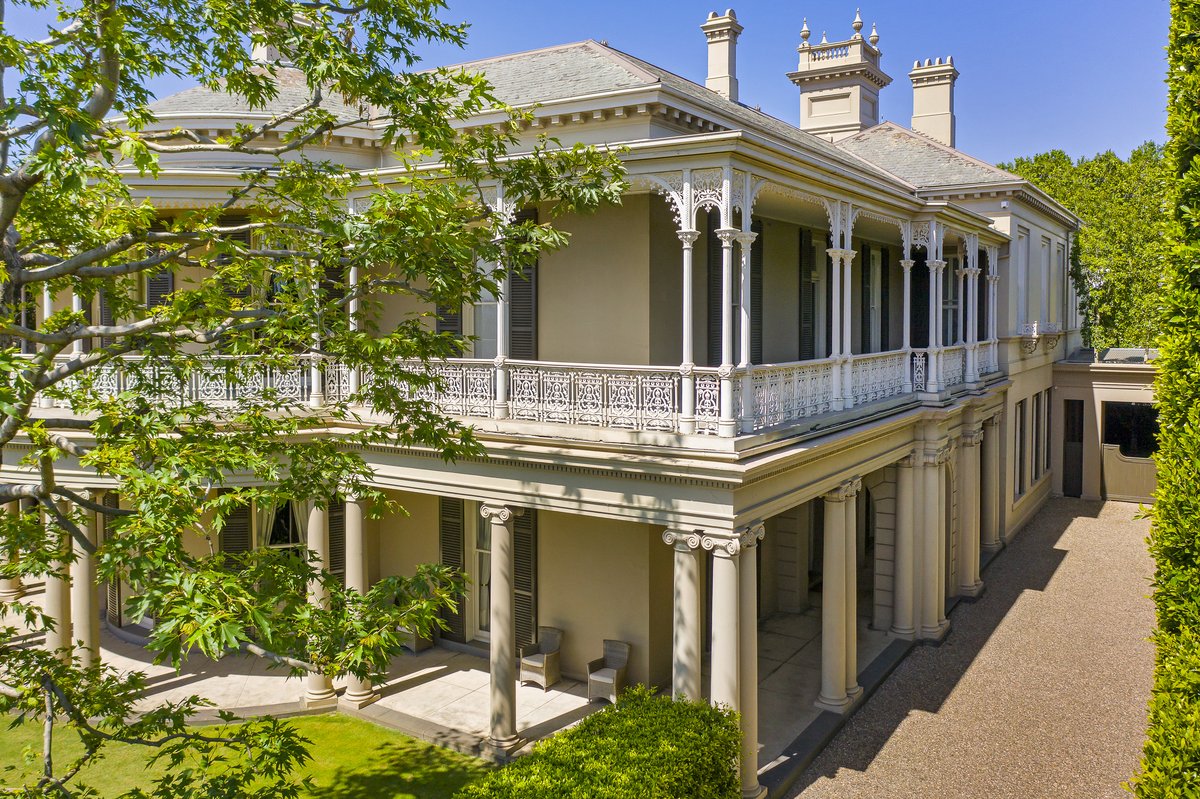


Melbourne’s 19th-century estates have romantic qualities few buyers can resist.
Modern masterpieces hold their appeal, but the rich history of Melbourne’s oldest houses, in well-established, blue-chip suburbs, gives them a unique pull in the market.
To own one is to hold a piece of Melbourne’s legacy.
When these heritage houses are gently updated for contemporary family life, the result is a home that feels timeless and liveable, and is a sound long-term investment.
Across the eastern suburbs of Melbourne, landmark houses from the Victorian, Federation and Edwardian eras frequently attract passive buyers and those willing to join waiting lists to acquire one.
Rare, double-fronted Victorian homes are particularly sought, followed by handsome Edwardians. Their limited quantities support ongoing demand and consistent capital growth.
It’s a dynamic noted by RT Edgar Stonnington director Warwick Anderson, across premium suburbs such as Toorak, South Yarra, Armadale, Malvern and East Melbourne.
Nineteenth-century homes are often in prime lifestyle locations and boast enduringly desirable features. Chief among these is space, which Anderson says is typical in original Victorian properties and what sets them apart.
“The feeling of a 12-foot ceiling in a Victorian compared with a six- or seven-foot ceiling in a newer build is so much different,” Anderson says.
Young buyers appreciate the charm and tradition of period homes, but they also expect modern layouts that facilitate family life. When paired with a sympathetic yet state-of-the-art extension, these properties balance the character of formal front rooms with present-day comforts, including open-plan living, kitchen and dining, and a flow between indoors and out.
Anderson says there are few intact Victorian mansions left in Toorak, and this scarcity strengthens buyers’ interest. Many were knocked down and replaced by apartments during the 1950s and 60s.
“There aren't many within the bounds of Toorak and they're very sought after because of the lack of supply,” Anderson says. “However, there are a number of Victorian terraces across the inner-eastern suburbs, usually in the traditional rows that create the elegant streetscapes these postcodes are known for.”
East Melbourne has a large offering of Victorian terraces, Anderson says. Residents may move two or three times in their lives, but stay in the suburb, always choosing another Victorian home. The generous space and grandeur cannot be matched in a newer property, and why many locals won’t swap them for a modern build.
The craftsmanship in heritage houses is challenging to replicate in brand-new residences. Stained-glass and sash windows, decorative cornices and architraves, iron lacework and high ceilings today come at an enormous cost, and why buyers are willing to pay a premium for a perfectly-preserved example.
“There is a level of detail that has gone into these homes that you just don’t see anymore,” Anderson says. “I remember a great example of this type of craftsmanship - it was a staircase in a home on Lascelles Avenue in Toorak. It reminded me of a Gone with the Wind staircase, and had a magnificent stained-glass window framing it.”
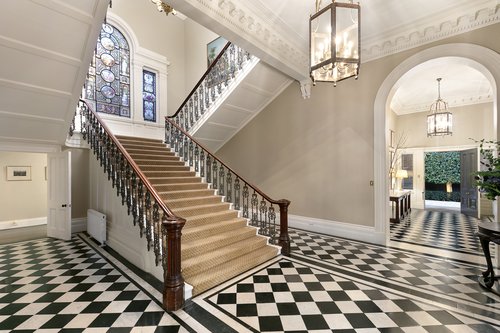
The staircase at 22 Lascelles Avenue, Toorak
Architect Jane Cameron Finlay, director of Jane Cameron Architects, specialises in restorations and renovations of heritage homes in suburbs such as East Melbourne and Toorak.
Cameron Finlay says the owners who engage her are committed to preservation. They have the patience to embark on the updates needed to protect these homes for years to come.
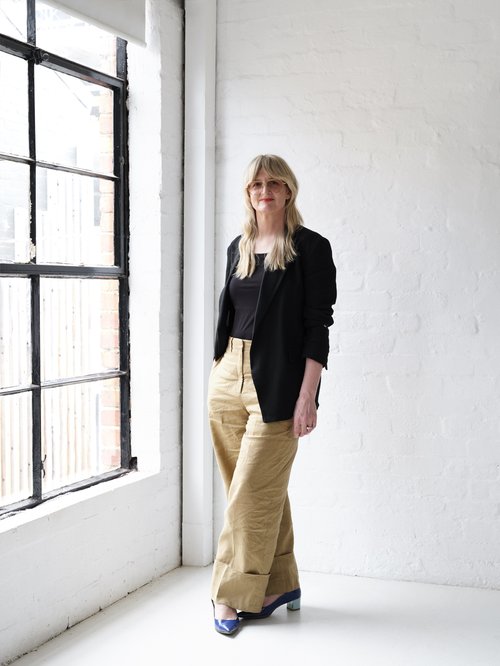
Jane Cameron Finlay FRAIA
Hidden modern upgrades, like window glazing and improved ventilation, heating and cooling, are what give them longevity, Cameron Finlay explains.
“It’s an honour to bring the houses back to life so they can last another 100 years,” she says. “There are so many beautiful heritage homes in Melbourne, and they're worth preserving, from a heritage, cultural and streetscape point of view.”
Discover Jane Cameron Architects here