Facebook Pixel

Looking back on 130 years of looking forward

This is RT Edgar's story, but it is also the story of Melbourne itself, its depressions and booms, its shifting suburbs and skylines, and the people who called it home. Through each shift, RT Edgar has moved with the times, its judgement and adaptability carrying the business from one era into the next.

Step back through five eras of change, from today to 1896.

Today —2010

Today — 2010

RT Edgar:
Shaping Today's Market

For 130 years, RT Edgar has moved with Melbourne’s prestige property market, representing many of the city’s most significant homes.

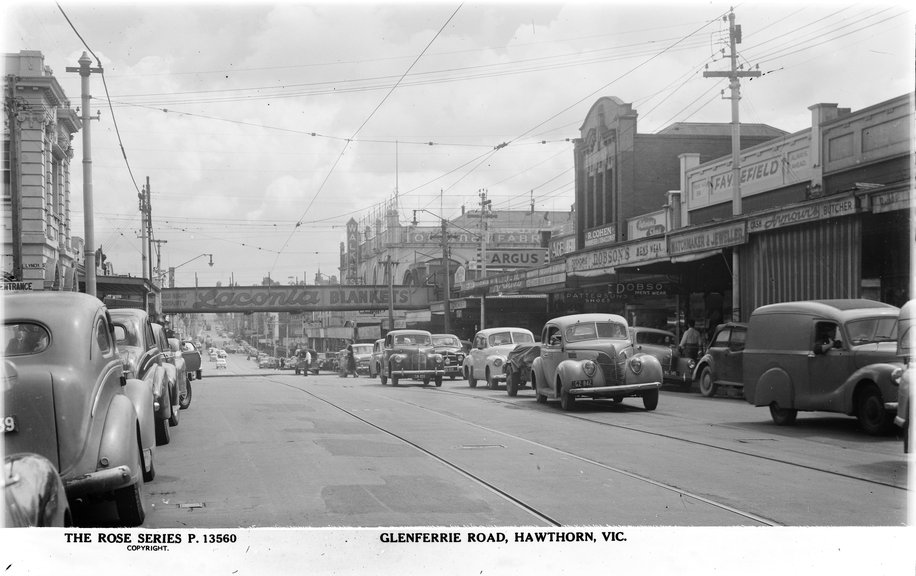
The top end today bears little resemblance to the one Robert Thomas Edgar established on Glenferrie Road, Hawthorn, in 1896. From handwritten ledgers and dealings among Melbourne’s early high society to data-driven campaigns and globally-connected buyers, almost every aspect of the market has changed dramatically.

And yet, the essence of RT Edgar’s approach has remained remarkably consistent, based on influential networks, established access, and informed insight.

Following the Global Financial Crisis, Melbourne’s prestige market entered a period of renewed international attention, and an influx of returning expats and wealthy families competed for blue-chip homes.

At the same time, the market was entering new price territory. In 2014, RT Edgar broke Toorak’s per-square-metre record at the auction of 1 Berenice Terrace.

Limited supply versus local and international demand was compounded by Melbourne’s pandemic lockdowns of 2020 to 2021. RT Edgar was well-placed to guide clients through an unprecedented period that required not only market intelligence, but also trusted counsel and tailored marketing.

Scarcity of triple-A homes, luxury design and lifestyle still underpin the market today. RT Edgar draws on both heritage and innovation to shape the modern experience of transacting elite property, intersecting relationships and technology.

Melbourne’s $40 million turning point

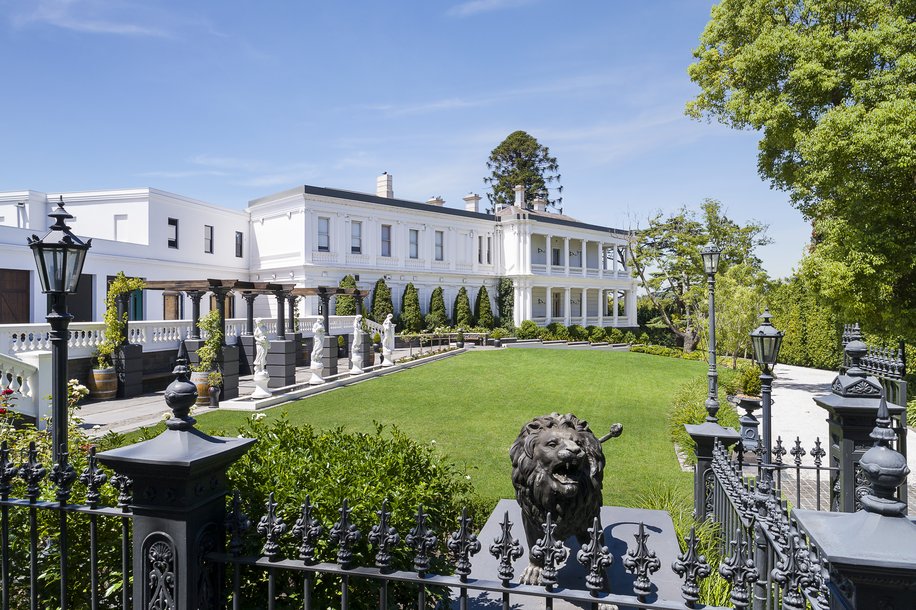
RT Edgar reset the upper end of Melbourne’s market in 2017, breaking the Victorian house price record with the circa $40 million sale of the Toorak estate Mowbray, on St Georges Road. The landmark transaction, negotiated confidentially, eclipsed the previous benchmark of $26.25 million.

18 St Georges Road, Toorak
SOLD 2017

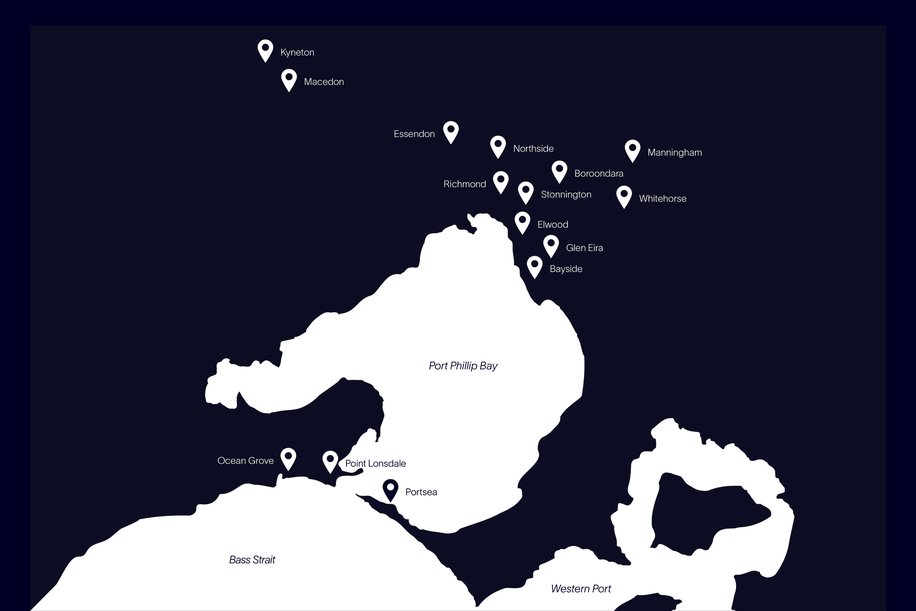
The map of luxury

The business built a network of localised leadership and area specialists during a transformative period in the prestige market, as buyers broadened their search beyond traditional suburbs. Offices opened in Bayside, Boroondara, Manningham, Northcote, Essendon, Whitehorse, Richmond and Glen Eira to support the shift.

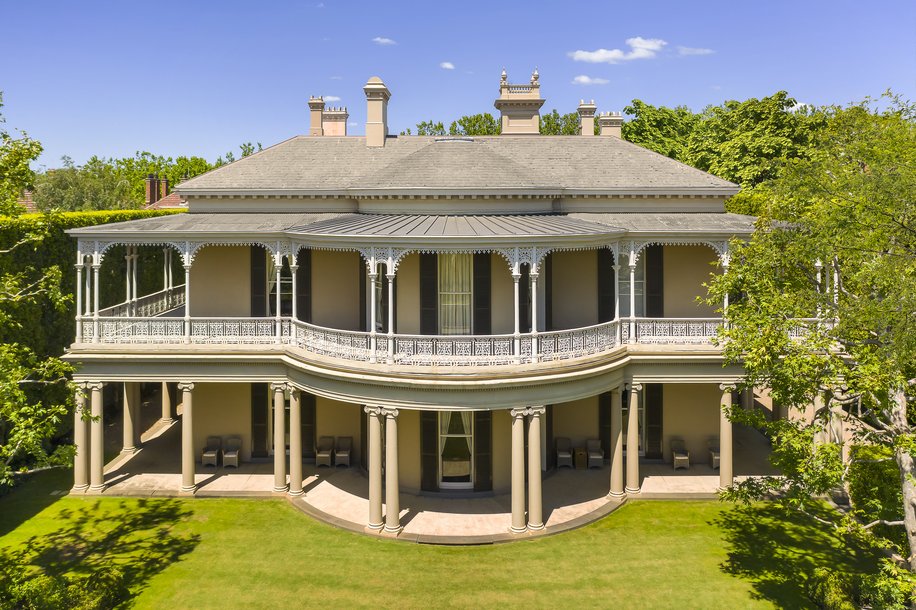
'The Terricks' c1882, 11 Paterson Street, Hawthorn
SOLD 2022 by RT Edgar Boroondara

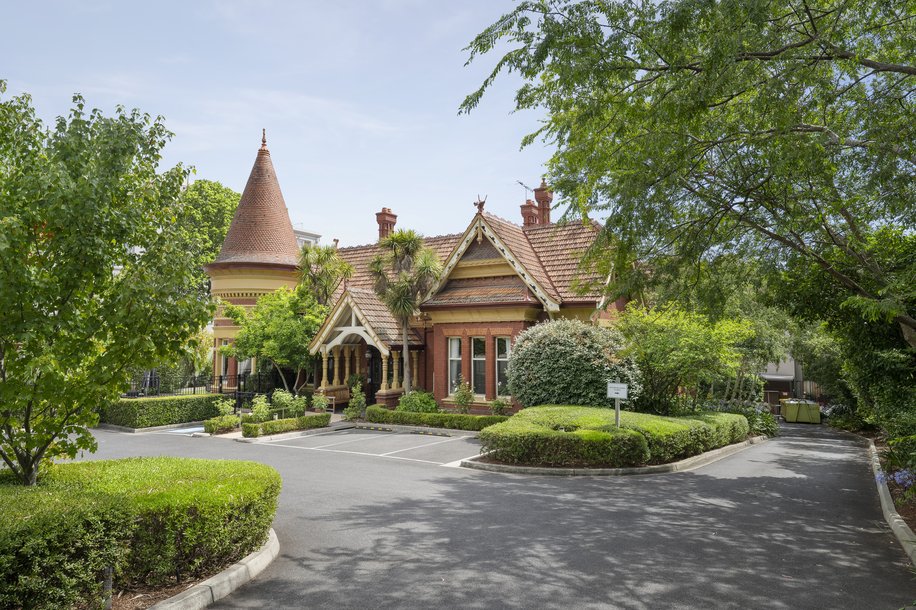
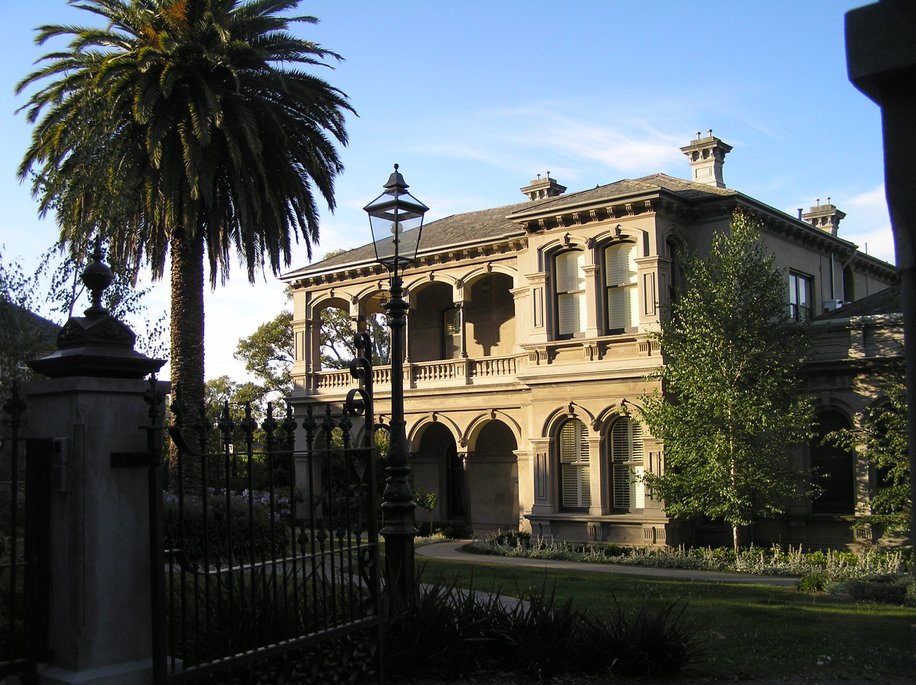
One transaction that captures this blend of heritage and innovation is 33 Lansell Road in Toorak.

In 2023, when RT Edgar sold the Queen Anne mansion for $20 million, it marked a striking historical parallel. The home was built in 1895, at the very moment Robert Edgar was laying the foundations of the agency that would become an intrinsic part of Melbourne’s ever-changing prestige property story.

2009 —1980

2009 — 1980

The Prestige Market Comes of Age

The early 1980s was a landmark period in Australian society. In real estate, it was marked by the floating of the Australian dollar in 1983. This was a structural turning point for the housing market, as a treasured domestic asset became exposed to global forces.

This laid the financial foundations of the modern market, aligning it with the dynamics of international capital and supply and demand. Luxury houses in desirable suburbs developed a dual status, as the centre of family life and a source of wealth preservation.

Generations of experience and leadership in this exact prestige sector enabled RT Edgar to guide clientele through an unprecedented shift.

In 1990, RT Edgar moved to Toorak. Its presence at 1 Tintern Avenue reinforced the business' position, in its chief market, at a critical moment, ahead of major economic challenges to come.

The early 90s recession reset the Australian housing market, but a mature phase of growth emerged from it. RT Edgar’s connections and expertise came into its own in this climate of relative stability, which gave buyers the impetus to make a long-term commitment to a property.

RT Edgar’s approach to the market’s recovery was to cement its central leadership for the future, through the appointment of directors Jeremy Fox, Warwick Anderson and Michael Ebeling.

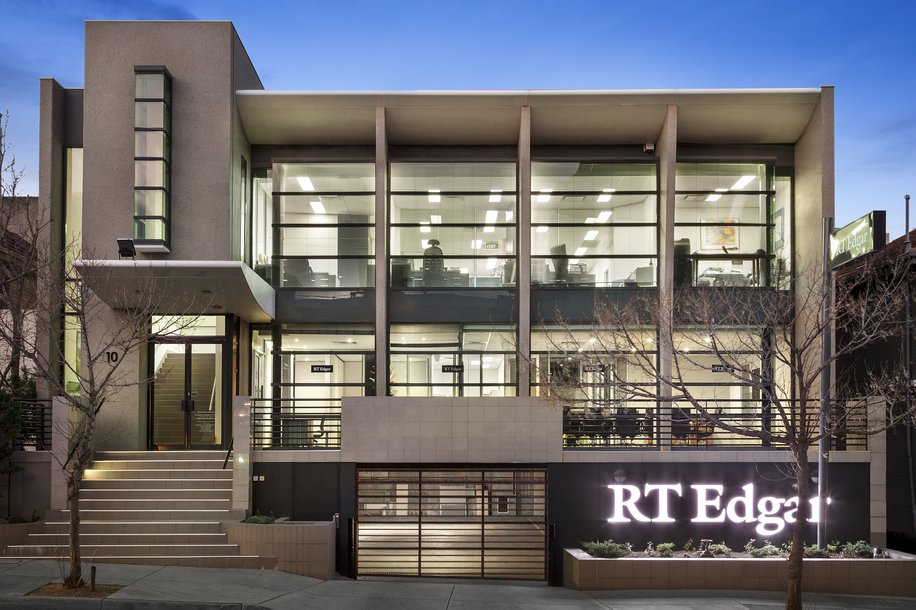
In 1996, the business unveiled new premises at 10 Wallace Avenue in Toorak, where it is headquartered today.

The turn of the millennium was marked by confidence and intense competition. Between 2000 and 2004, the Reserve Bank of Australia noted buyer activity collided with limited supply. RT Edgar was a trusted steward for vendors through this ultra-competitive period.

RT Edgar held its ground through the Global Financial Crisis, steering transactions in a market that slowed but did not collapse.

Establishing the golden circle

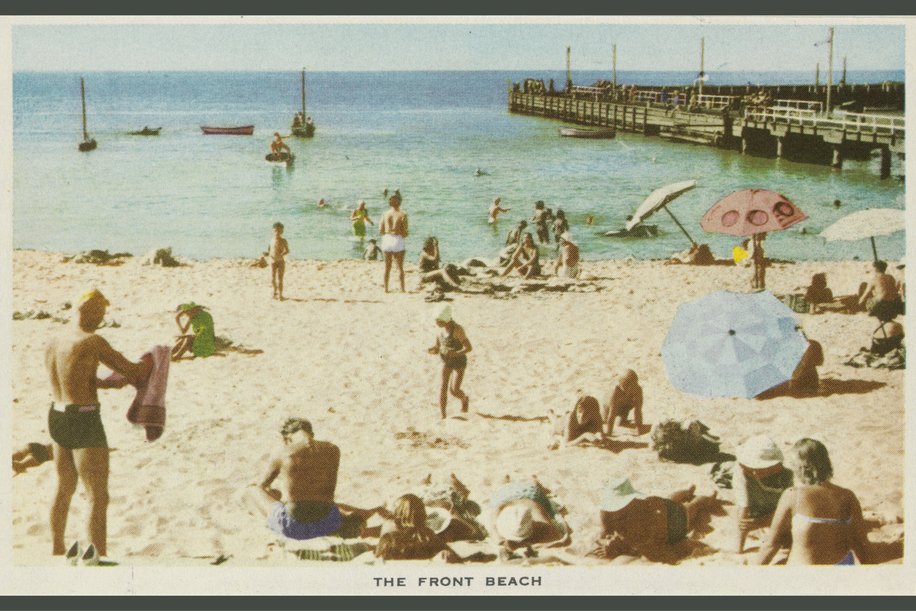
RT Edgar has been representing Portsea clients since the 1930s and opened a permanent office in the 1980s. The Point Lonsdale franchise followed in 1994 and Ocean Grove shortly thereafter, while alpine operations ensured the prestige market was covered from foreshores to snowfields. These moves created a strategic, 360-degree network of coast and country offices to meet demand for high-end homes in close range of the city. The expansion continued with offices in the Macedon Ranges (Kyneton and Woodend) in 2007.

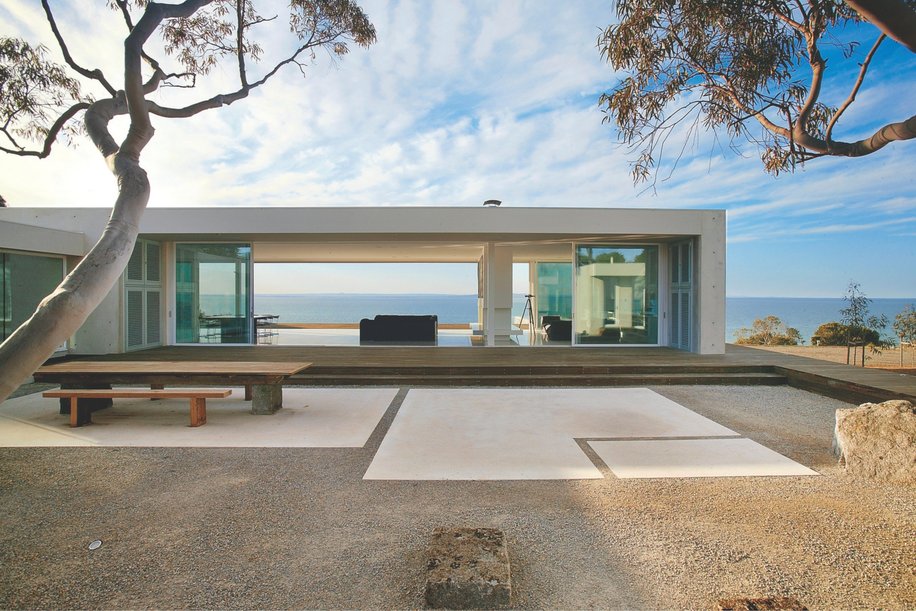
Portsea's clifftop mansion 'Rovina', sold by RT Edgar in 2024

Leadership and enduring legacy

As a business, RT Edgar responded proactively to the early 90s recession through a leadership restructure that has underpinned its elite performance ever since.

Anderson joined RT Edgar as a junior cadet in Portsea in 1974; Fox entered the business in 1991 (becoming managing director in 2012), and Ebeling arrived in 1996. Together, they have shaped a culture of progression, innovation and shared purpose across 15 offices.

Warwick Anderson, Michael Ebeling and Jeremy Fox, RT Edgar's directors today

A SHARED STANDARD

Their depth of experience has raised the bar - RT Edgar agents don’t just transact, they interpret the forces that shape the market.

1979 —1940

1979 — 1940

The Making of Modern Melbourne

In 1940, Melbourne was a city under the weight of war.

At this time, the company was in the hands of Robert's son Jack Edgar and his business partner Colin Anderson.

RT Edgar & Son supported its clients through the social upheaval. Print advertising shows the firm managing leases, demolition sales and property listings in estates created from subdivision deals Jack and Colin had brokered in the previous decade.

However, by late 1941, the business was on hold. Colin was sent to the battlefields of North Africa and the Pacific and returned to Melbourne in 1945, finding the streets he knew so well markedly different.

The agency was also transitioning. Robert was ready to retire, and Jack sought a new chapter at his property Tuerong Park on the Mornington Peninsula.

Anderson bought R.T. Edgar & Son as sole proprietor, hiring valuer John Geake and Harold Clapp, one of the city's most respected auctioneers.

With the city humming once again, the experienced trio prospered. R.T. Edgar & Son helped Woolworths secure new post-war premises in Moonee Ponds in 1954, and confirmed its prestige footprint beyond Hawthorn, Toorak and Armadale by listing across Kew, St Kilda and surrounds.

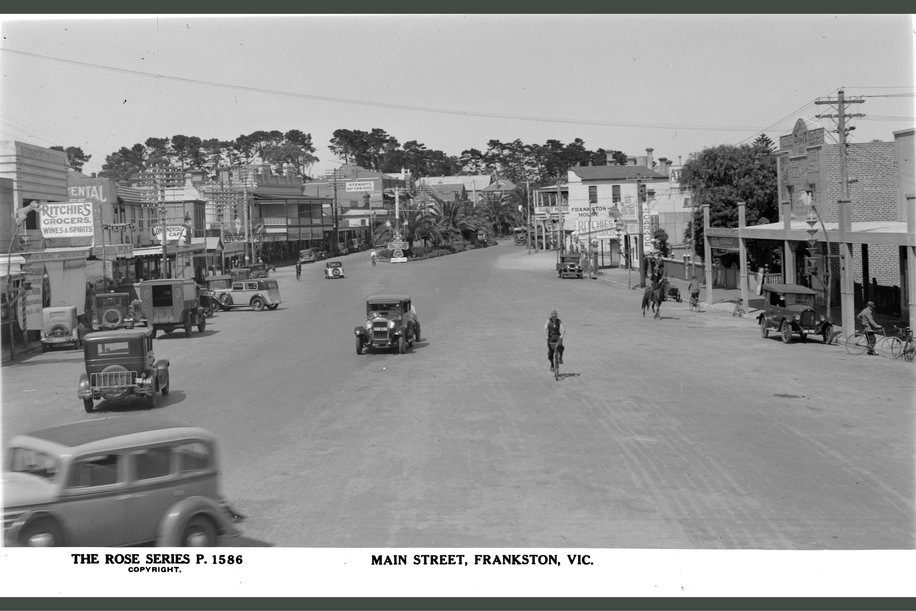
Throughout the '50s the trio also sold fine houses and farms in Dandenong and Frankston to wealthy families and graziers.

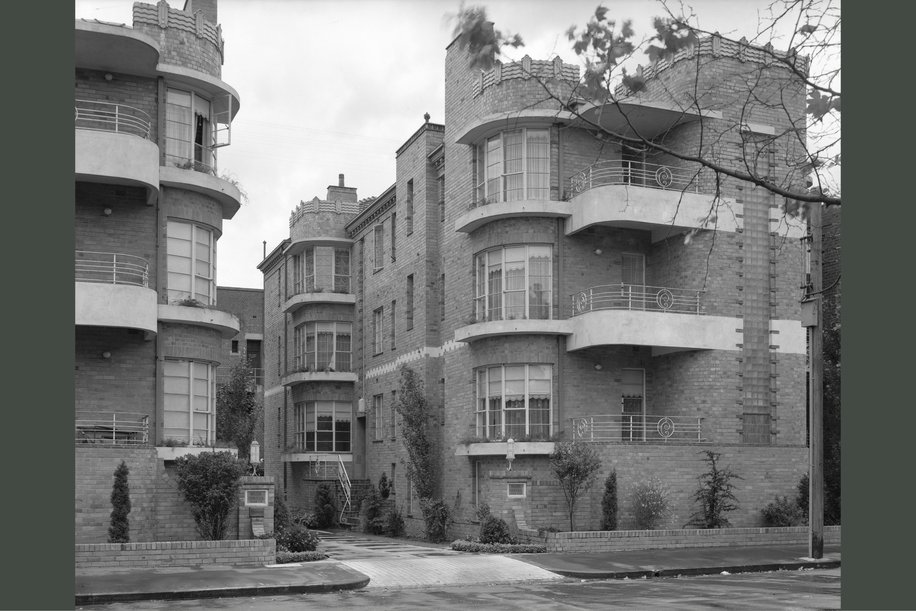
The 1960s saw modernist apartments become fashionable among prestige buyers, while a new language for luxury living - the “penthouse” - started to appear in R.T. Edgar & Son’s advertising.

The 1970s brought rapid development of townhouses and flats, suited to downsizers and contemporary lifestyles.

By this time, Jack Edgar had returned to real estate, launching commercial agency J.V. Edgar & Co with his son Jonathan. Colin took the opportunity to add to its leadership and sold some of his shares to John and Harold, who became partners.

Selling the prestige dream

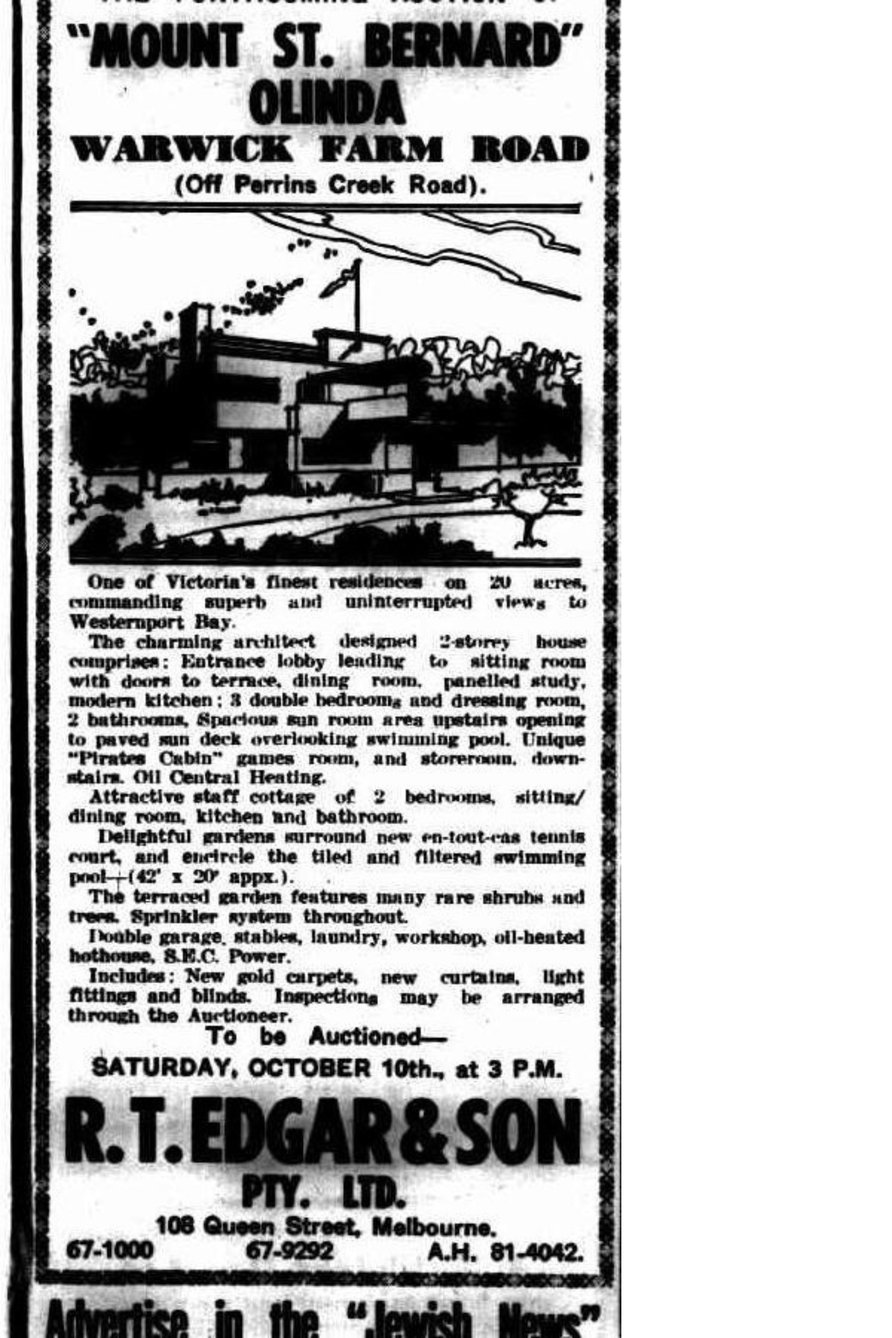
RT Edgar embraced the early visual marketing techniques that became more widely used in the 60s, incorporating artist’s sketches of homes to communicate a prestige sector that was diverse and increasingly design-led.

Selling the prestige dream
RT Edgar representing one of Victoria's finest homes - Mount St. Bernard in Olinda

Source: Australian Jewish News, 2 October 1964, p.19, via National Library of Australia

The next generation arrives

By the end of the 70s, a new force had entered the market - post-war baby boomers - and the firm hired young salesmen to match the momentum. Among them was Colin’s son Warwick, who was mentored by Harold and remains one of RT Edgar’s directors today.

Warwick Anderson (left) calling an auction on Orrong Road with mentor Harold Clapp

Source: Warwick Anderson personal collection

1939 —1915

1939 — 1915

Between the Wars

After overcoming the ravages of the First World War, Melbourne entered the roaring 1920s.

Australia was in a period of renewal and so was RT Edgar.

Robert began the decade with a headline-making sale to the Bank of New South Wales. In 1928, his son Jack joined the company and they named it RT Edgar & Son.

Jack soon hired his close friend Colin Anderson, a gifted salesman from Richmond’s Howard Piano Company. “Jack said to him, ‘you’re better off selling the whole house, not just a piano’,” Colin’s son, RT Edgar director Warwick Anderson, recalls.

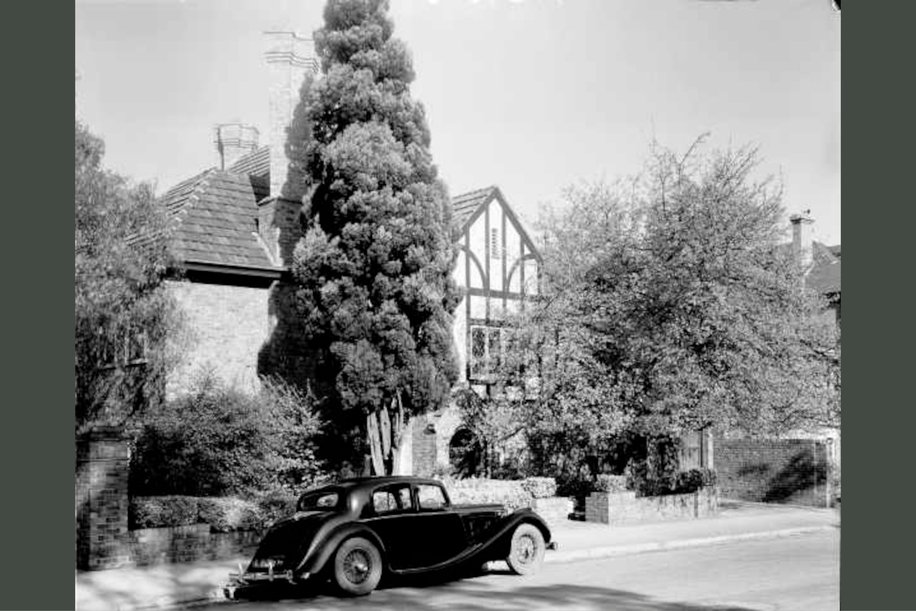
Immediately, these young guns brought new ideas and influence, and expanded beyond Hawthorn into listing grand homes - Victorian, Queen Anne, Georgian Revival and Old English styles - in suburbs such as Toorak, Kooyong, Armadale, Malvern and Kew. This reach would pilot the business through the Depression of the 1930’s.

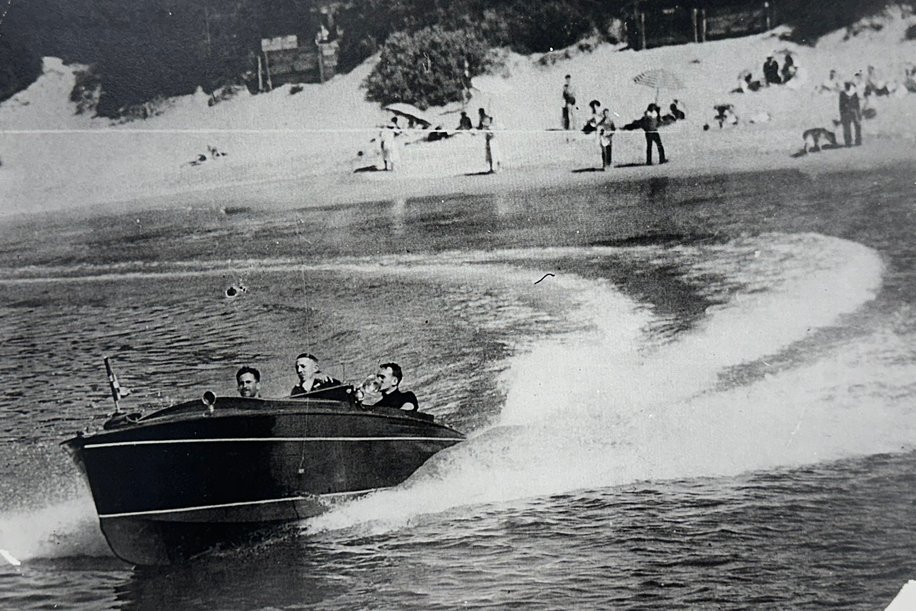
The firm opened a second office on fashionable Collins Street in 1933, run concurrently with the Hawthorn premises. Jack owned a speedboat, which he and Colin used to travel between offices. "They would take the boat from the Yarra down to the city, tie up at the bridge, and then go into the Collins Street office from there," Warwick says.

Jack was well placed within the upper echelons of society. He and Colin moved up the ladder and started operating in Portsea in 1936 to also represent their clients’ holiday houses. “The circle of people that they moved in at the time were the heavy hitters of Melbourne in those days,” Warwick recalls. “They connected with the bigwigs and acted for them.”

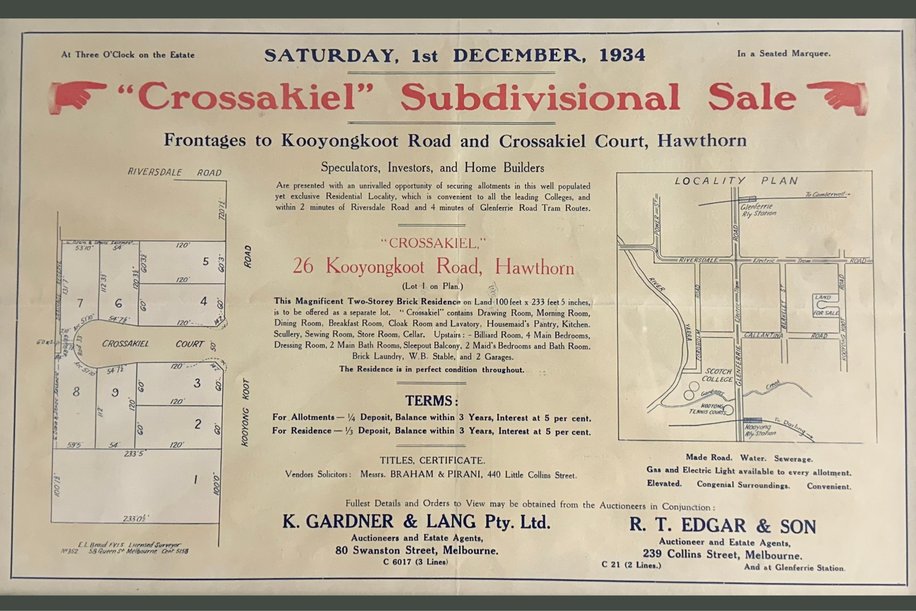
Some of the most popular auctions in the early 1930s onwards were blocks of land in Toorak from the mansions being subdivided or demolished, due to upkeep costs during the Depression. In their role, Jack and Colin were among the forefathers of contemporary Toorak. “Their early work on the subdivisions established some of the premier homes of Melbourne,” Warwick says.

By the tail of Australia’s prolonged economic downturn, the firm had not only endured but advanced its position, setting a 1937 Melbourne price record.

Robert’s defining city deal

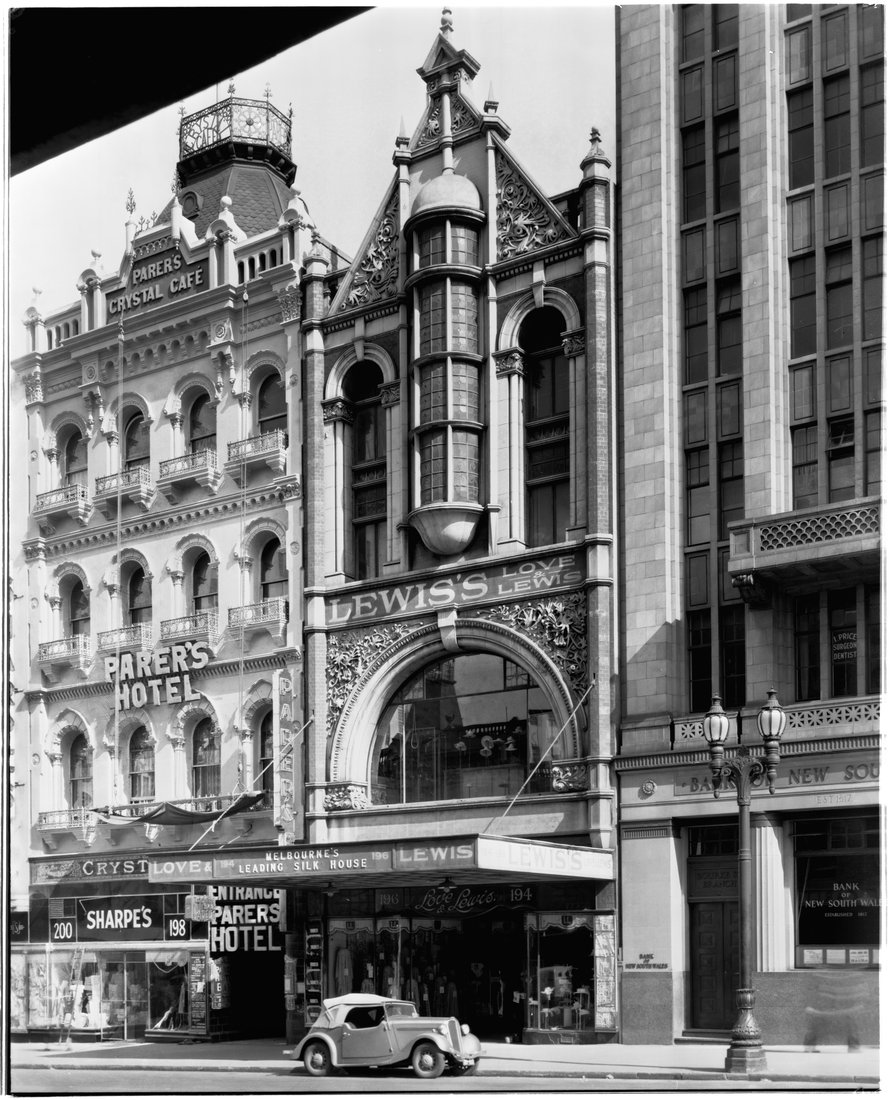
In 1920, the Bank of New South Wales saw an opportunity to establish itself in Melbourne’s CBD. A deal brokered by Robert Edgar made headlines when the bank bought 190-192 Bourke Street for £20,250.

Robert’s defining city deal
The Bank of NSW (right) on Bourke Street, c1943

Source: Photograph by Lyle Fowler, State Library of Victoria

Breaking a record in Toorak

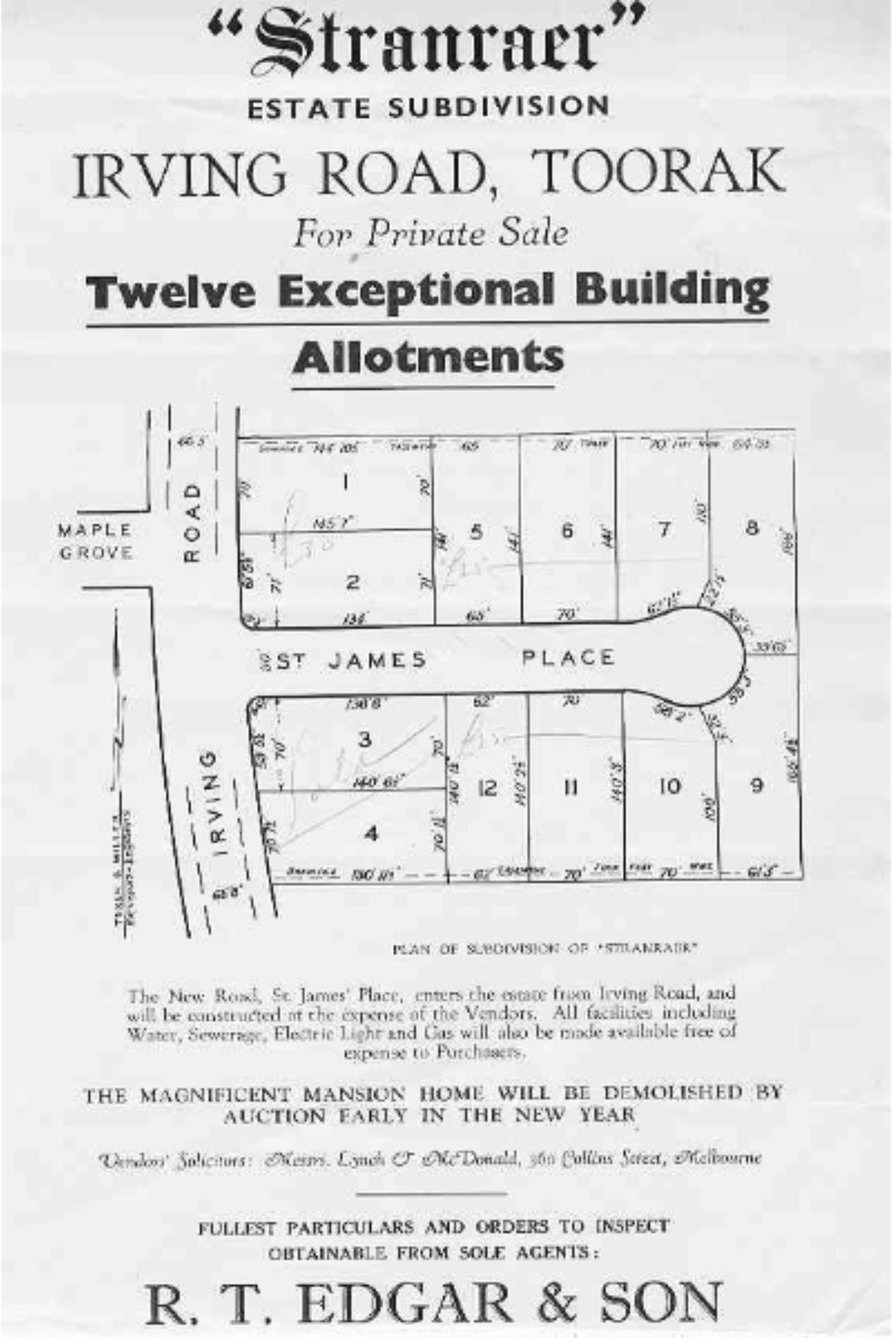
In 1937, RT Edgar & Son set a Melbourne price record of more than £25,000 with the sale of Toorak mansion Kyeamba, after handling the significant sale of Toorak estate Stranraer and its subdivision.

Breaking a record in Toorak
RT Edgar & Son advertisement for land available in the subdivided Stranraer estate, after the mansion is demolished, c1935

Source: Stonnington History Centre, Prahran Collections, City of Stonnington

1914 —1896

1914 — 1896

Federation and the Foundation of RT Edgar

The depression of 1890 stopped a burgeoning Melbourne in its tracks. However, by 1896, there were signs of a turnaround.

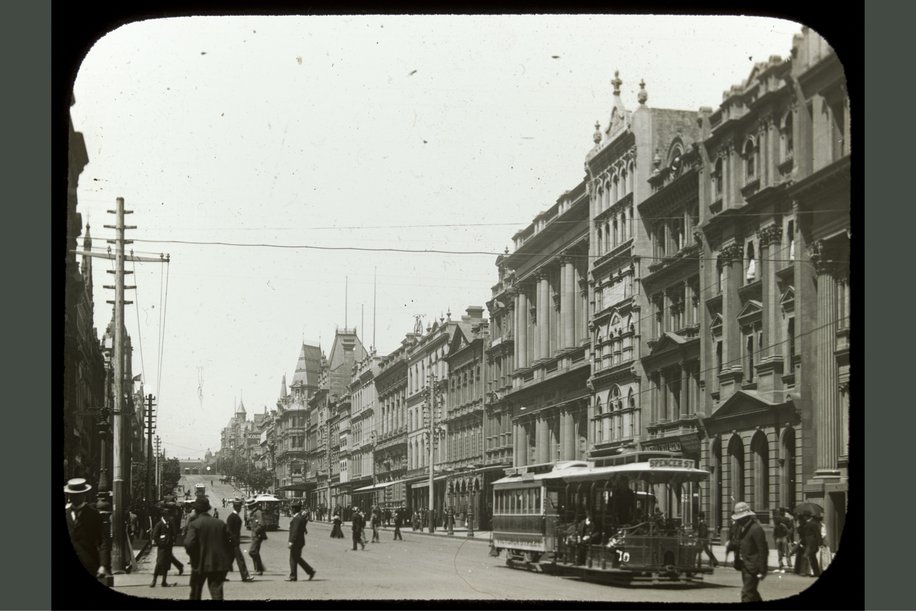
That year, an enthusiastic 24-year-old, Robert Thomas Edgar, took the gamble - despite some caution around the building and buying of homes - of opening a real estate business in Glenferrie Road, Hawthorn, surrounded by the clip-clop of horse-drawn drays and the clang of cable cars.

Soon, Edgar took on a partner, the financier Edward Hunt, who had been a real estate agent since 1884. They operated as R. T. Edgar and E. V. Hunt from 1901 out of offices in Glenferrie, Collins Street and Auburn, although they ceased their partnership in early 1903.

On his own and newly married to Adah Lyons, Edgar’s business blossomed as Melbourne grew. His decision to concentrate on properties in a blue-ribbon region from Hawthorn to South Yarra and Toorak proved tremendous foresight.

Edgar was the purveyor of prestige homes for Hawthorn’s well-to-do families before that category of real estate had been formally defined. That groundbreaking role was a natural extension of the circles he moved in and the loyal clients he cultivated.

In 1914, the Edgars settled into a magnificent Federation house named Farleigh at 36 Chrystobel Crescent, within the Grace Park Estate, designed by prominent Boroondara architect Christopher Cowper.

The Federation era was booming, and Edgar’s agency, and position in Hawthorn commerce and society, kept pace with it until the First World War broke out in 1914.

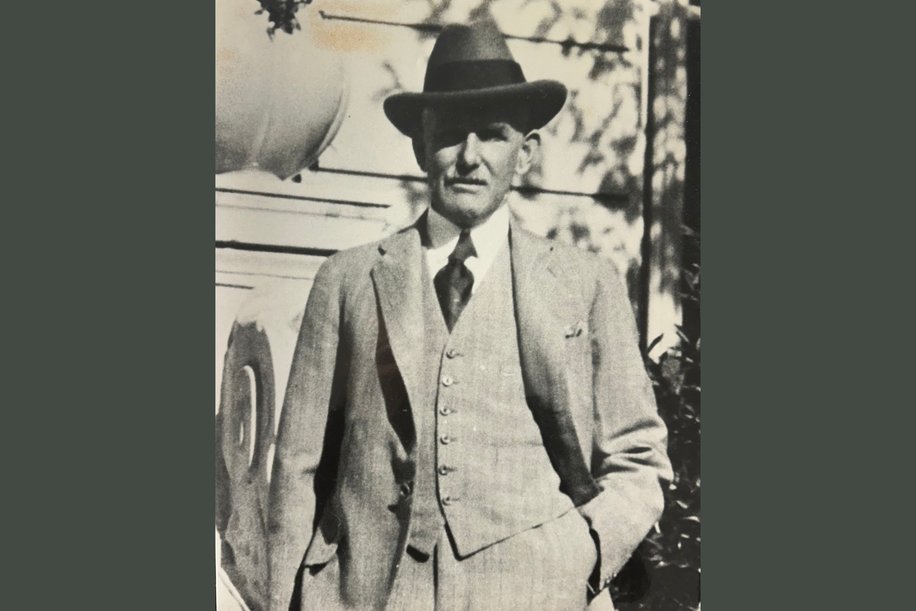
Where it began:
RT Edgar’s first address

A single photo of Robert Thomas Edgar’s agency, established in 1896, has survived. The firm opened only six years after Hawthorn was declared a “city” - the first in Boroondara. The building adjoining the railway bridge, carrying the name “Robert T Edgar, Estate Agent”, is understood to have been demolished in the 1970s.

Robert Edgar's first office (left) on Glenferrie Road, early 1900s

Photographer unknown; original source unknown

The next generation:
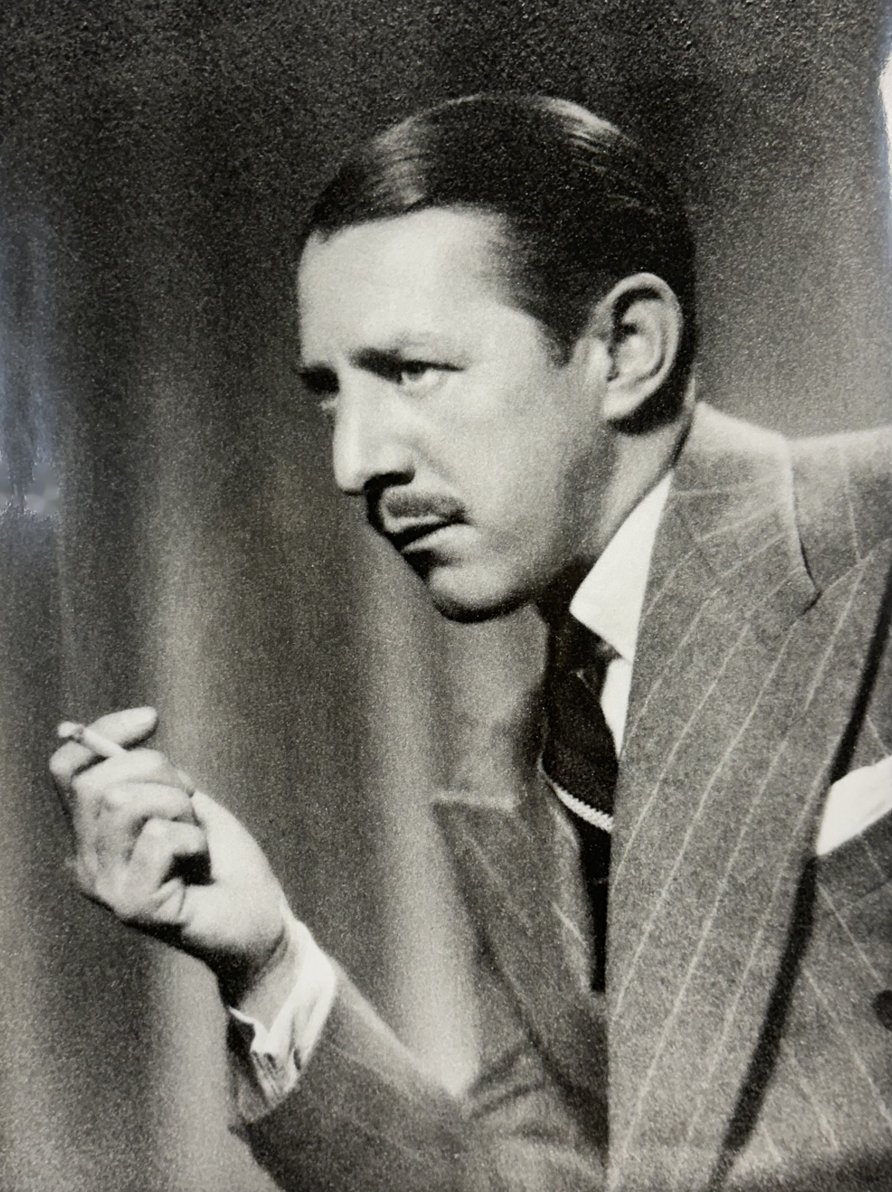
Jack Vernon Edgar

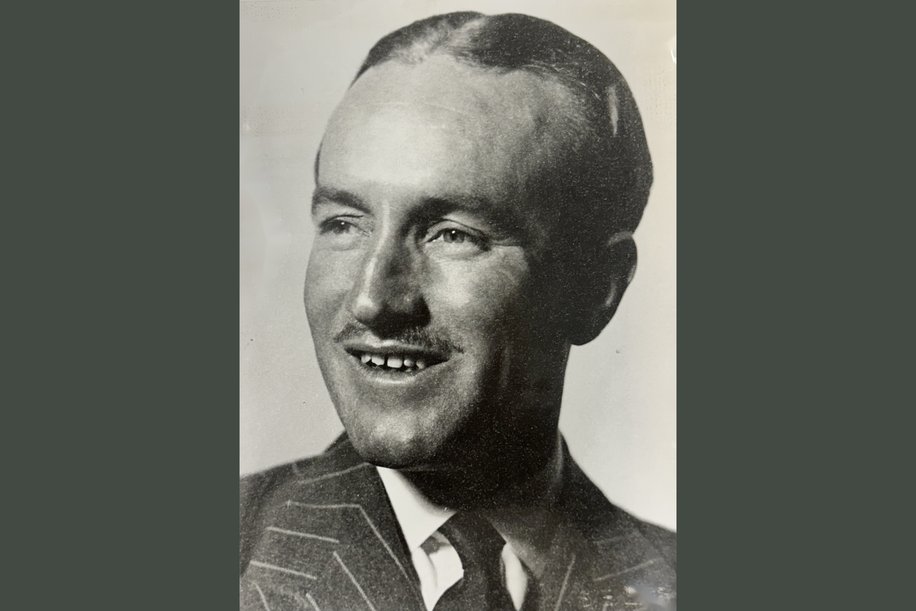
Robert and Adah had three children; Lorna Jean, Jack Vernon, and Nancy. Within 20 years, Jack would become his father’s real estate partner and a significant influence on the firm, which was known as RT Edgar & Son for almost half a century. Jack would guide the business through the depression years with a youthful verve and clever judgement that would cement its place in the high-end market, and reshape Melbourne.

The next generation: Jack Vernon Edgar
Jack Vernon Edgar, who joined the firm in 1928

Source: Warwick Anderson personal collection

HIS LASTING APPROACH

Edgar's reputation, networks and relationships were his advantage, and his advisory-style approach continues to define the business of selling high-end homes today.

Words by Emily Power. Design by Chris McGinn.